
Many families skip life insurance based on myths. Learn the truth about cost, coverage, and who really needs it before it's too late to protect your loved ones.
Discover proven ways to reduce your auto insurance premiums without sacrificing coverage. From discounts to policy adjustments, learn smart strategies that work.
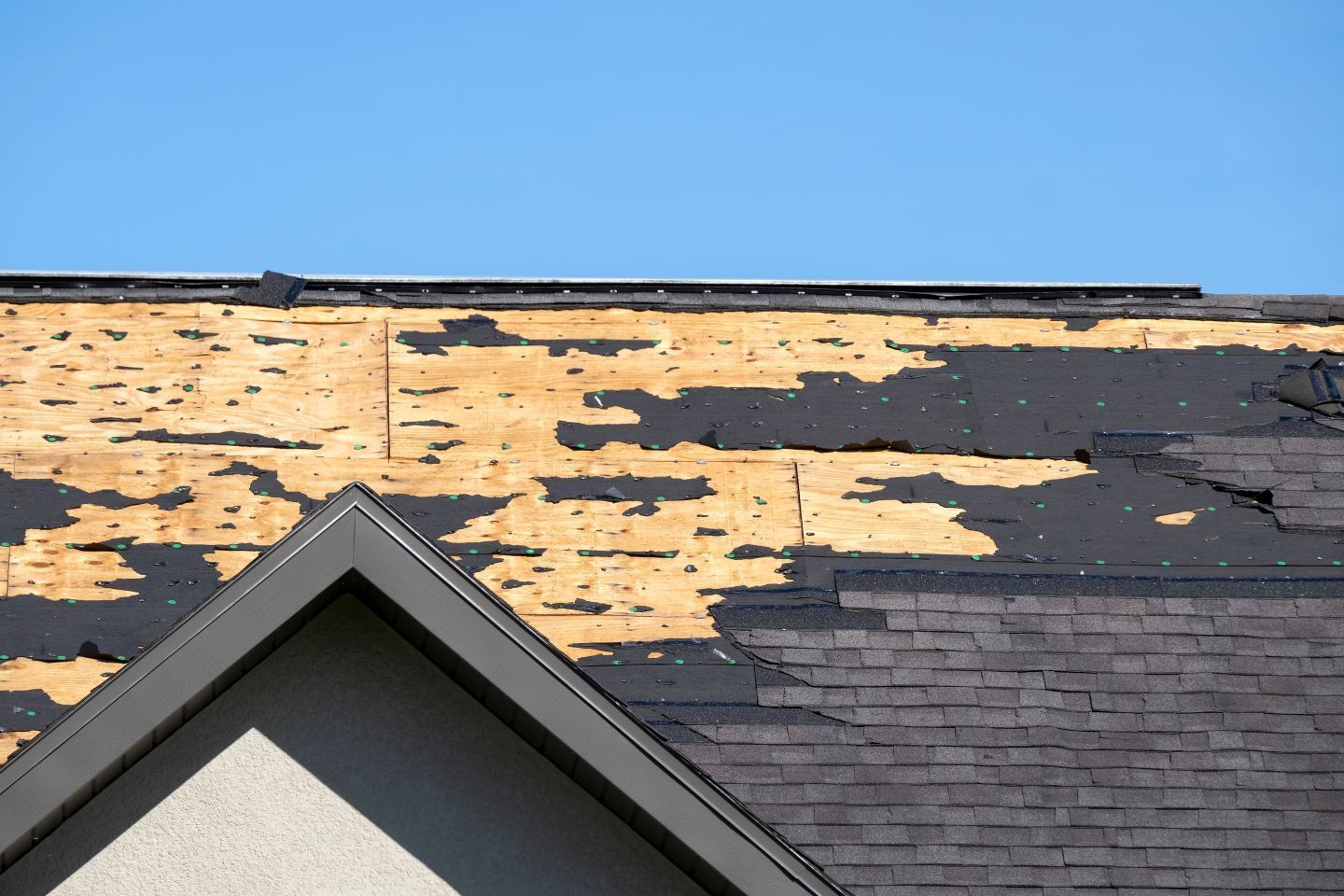
Introduction Anyone who has spent time in West Texas knows the weather has a mind of its own. One day the skies are clear and sunny, and the next, hail is pounding rooftops and strong winds are ripping through fences and shingles. These storms can cause serious damage in minutes, and the financial fallout often lasts much longer. For homeowners in Lubbock, insurance is more than paperwork — it’s a vital safety net that protects both your home and your peace of mind. The challenge is that not all homeowners insurance policies treat wind and hail damage the same way. What looks like solid coverage on the surface may contain exclusions, limits, or deductibles that leave you paying thousands out of pocket when a storm hits. Understanding what’s in your policy — and what isn’t — is the difference between being caught off guard and being truly protected. Why Wind and Hail Matter So Much in West Texas West Texas sits in one of the most storm-prone regions of the country. Every spring and summer, residents brace for sudden downpours, high winds, and hailstones big enough to shred siding and leave roofs looking like Swiss cheese. Texas consistently ranks among the top states for hail-related claims, and Lubbock homeowners are no strangers to filing them. Roof damage is the most common, but storms often leave behind broken windows, water intrusion, and structural issues that require costly repairs. Without the right insurance in place, one bad storm can quickly turn into a financial nightmare. How Standard Policies Approach Wind and Hail Most homeowners insurance policies do include wind and hail coverage, but the level of protection varies widely. The dwelling portion of the policy usually covers damage to the structure itself — the roof, siding, and windows — while “other structures” coverage may extend to fences, sheds, or garages. If belongings inside the home are ruined because of a broken window or water seeping in, personal property coverage may kick in. Some policies even include “loss of use” coverage, paying for temporary housing if your home is too damaged to live in. The catch is in the details. Many homeowners don’t realize that deductibles for wind and hail claims can be structured differently than for other types of losses. Instead of a flat $1,000 deductible, some insurers set a percentage of the home’s insured value. That means a $250,000 home with a two percent wind and hail deductible leaves the homeowner paying $5,000 before the insurance company contributes a dime. For families already stressed from storm damage, that kind of surprise can be overwhelming. Exclusions and Gaps You Should Know About Another issue is exclusions. Some policies exclude cosmetic roof damage, meaning dents or marks left by hail may not be covered if the roof is still technically functional. Older roofs can sometimes trigger reduced payouts, with insurers only covering part of the replacement cost. In certain cases, named storm exclusions can even limit or deny coverage altogether once a storm is officially declared by authorities. These are the kinds of gaps that homeowners only discover after filing a claim, and by then, it’s too late. Staying Protected in Lubbock The good news is that homeowners aren’t powerless. Staying protected starts with reviewing your policy regularly to understand what your deductible looks like, which exclusions apply, and whether your coverage limits are enough to handle today’s repair costs. Many insurers offer endorsements — small add-ons to your policy — that can help close coverage gaps, such as roof replacement cost endorsements that ensure you get full value for a new roof instead of a depreciated payout. For families who want extra peace of mind, umbrella policies can provide additional liability protection, giving you a wider safety net if the unexpected happens. Perhaps the most important step is working with an insurance agency that knows West Texas weather firsthand. Local agents understand the specific risks in Lubbock and can guide you toward policies designed to handle them. At LSM Insurance Agency, we’ve seen storms devastate families who thought they were covered, and we’ve seen the relief on clients’ faces when the right policy carried them through a difficult time. That’s why we believe insurance isn’t about selling a policy — it’s about building protection around the realities of your life. Final Thoughts West Texas weather isn’t going to slow down, but you can prepare for it. Wind and hail damage are unavoidable risks in this part of the country, and homeowners who take the time to understand their coverage are better positioned to recover quickly when storms strike. Reviewing your policy, asking the right questions, and making adjustments before the next storm season hits can save you from costly surprises. Your home is likely your biggest investment, and it deserves protection that goes beyond the bare minimum. With the right homeowners insurance in place, wind and hail become obstacles you can weather, not disasters that derail your future.

Introduction Renting in West Texas comes with its fair share of challenges. From unpredictable weather to everyday risks like theft or fire, renters often assume their landlord’s insurance will cover their belongings if something goes wrong. The reality is that landlord insurance usually only protects the building itself, not what’s inside your apartment, house, or rental property. That’s where renters insurance comes in. Renters insurance is often one of the most affordable types of coverage available, yet many renters go without it. This blog breaks down why renters insurance matters, what it covers, and how it protects your lifestyle in Lubbock and beyond. Why Renters Insurance Matters In West Texas, storms can arrive quickly, and hail damage, broken windows, or water leaks are all too common. If you’re a renter, your landlord’s policy won’t replace your damaged furniture, electronics, or clothing. Without renters insurance, you could be left covering those costs yourself. Beyond weather, everyday risks like theft or fire can also upend your life. Imagine losing your laptop, TV, or furniture in a single incident — the financial setback could be significant. Renters insurance creates a financial safety net, giving you peace of mind knowing that your belongings are covered. What Renters Insurance Covers Most renters insurance policies are surprisingly comprehensive. They typically include: Personal property protection for your belongings if they’re damaged or stolen, whether inside your rental or even when you’re traveling. Liability coverage in case someone is injured in your rental and you’re held responsible. Loss of use coverage if your rental becomes uninhabitable after a covered event, helping pay for temporary housing. This means that whether your clothes are ruined by water damage, your phone is stolen from your car, or you need to stay in a hotel after a fire, renters insurance steps in to help. How Affordable Is It? One of the biggest misconceptions about renters insurance is cost. Many renters assume it’s expensive, but in reality, it’s often less than the price of a monthly streaming subscription. In Lubbock and across Texas, renters insurance is one of the most budget-friendly forms of coverage. That small investment can save you thousands of dollars if disaster strikes. Real-Life Scenarios in West Texas Consider a hailstorm shattering your apartment windows, leading to water damage in your living room. Without coverage, you’d be responsible for replacing damaged furniture and electronics. Or imagine a kitchen fire that forces you to move out for a month — renters insurance could cover your temporary housing and meals while repairs are made. These situations aren’t far-fetched in West Texas, where extreme weather and everyday mishaps can disrupt life in an instant. Renters insurance is designed for these “what ifs,” offering stability when the unexpected happens. How to Choose the Right Policy When shopping for renters insurance, think about the value of your belongings. Make an inventory of your electronics, clothes, furniture, and other valuables — the total might surprise you. This gives you a better idea of how much coverage you need. Also, pay attention to coverage limits, deductibles, and whether the policy offers replacement cost or actual cash value. Replacement cost coverage pays for new items at today’s prices, while actual cash value only pays the depreciated amount. While replacement cost policies may cost slightly more, they can be worth it when replacing essentials. Final Thoughts Renters insurance is often overlooked, but in West Texas, where storms and surprises are part of daily life, it’s one of the smartest investments you can make. It protects your belongings, covers you in case of liability, and ensures you have somewhere to stay if your rental becomes unlivable. For the cost of a few cups of coffee each month, you can secure peace of mind knowing that the things you’ve worked hard for are protected. At LSM Insurance Agency, we’re here to help renters find affordable coverage that fits their lifestyle and keeps them secure, no matter what the weather — or life — brings.

Introduction Running a small business in Texas comes with plenty of responsibilities, and one of the most important is taking care of your employees. Accidents can happen in any workplace, whether it’s an office, a retail store, or a construction site. That’s where workers compensation insurance comes in — but Texas handles this coverage differently than most states. For small business owners, understanding how workers comp works in Texas isn’t just about compliance, it’s about protecting your team and your business. The Texas Difference Unlike most states, Texas does not require private employers to carry workers compensation insurance. That means small business owners technically have a choice: they can opt in and purchase coverage, or they can choose to go without it. While skipping coverage might seem like a way to cut costs, it carries serious risks. If an employee is injured and you don’t have workers comp, you could face lawsuits, medical expense claims, and lost wage demands that come directly out of your business’s pocket. In short, Texas leaves the decision up to you, but the consequences of going without protection can be financially devastating. Even a single workplace accident could cost thousands in medical bills and legal fees, potentially jeopardizing the future of your company. What Workers Comp Actually Covers Workers compensation insurance is designed to create a safety net for both employers and employees. For workers, it provides coverage for medical expenses, rehabilitation costs, and a portion of lost wages if they can’t work due to an injury or illness that happens on the job. For employers, it generally limits liability, protecting the business from costly lawsuits related to workplace accidents. Imagine an employee slipping on a wet floor in your office and breaking an arm. Without workers comp, you could be paying for the hospital visit, follow-up care, and missed wages out of your business account. With coverage in place, the policy steps in to handle those costs and shield your company from litigation. Why Small Businesses Should Take It Seriously Many small business owners in Texas think workers compensation is only necessary for high-risk industries like construction or manufacturing. But accidents can happen anywhere. A delivery driver could be injured in a car accident, a retail employee might suffer a back injury lifting boxes, or an office worker could develop carpal tunnel from repetitive tasks. Workers comp isn’t just about heavy machinery and hazardous work — it’s about everyday risks that impact all types of businesses. In addition, offering workers compensation coverage demonstrates that you value your employees’ well-being. It builds trust and shows your team that you’re committed to taking care of them if something unexpected happens. In the long run, this can improve employee morale and retention, giving you a stronger, more loyal workforce. How to Get Started If you’re considering workers compensation for your business, the first step is reviewing your risks. Think about the size of your team, the type of work they perform, and the potential costs of an accident. From there, you can work with an insurance agent who understands Texas laws and can guide you to the right policy. Policies can be tailored to fit small businesses, meaning you don’t have to pay for unnecessary extras. An experienced agent will walk you through the details, help you compare coverage options, and make sure you’re not leaving your business exposed to unnecessary risk. Final Thoughts orkers compensation in Texas is unique because it isn’t mandatory, but that doesn’t mean it isn’t essential. For small business owners, opting into coverage is one of the smartest decisions you can make. It protects your employees when they need it most, shields your business from lawsuits and financial strain, and reinforces your reputation as a responsible employer. Skipping coverage might save a few dollars in the short term, but the long-term risks far outweigh the cost. At LSM Insurance Agency, we help small business owners across West Texas find affordable workers compensation solutions that fit their needs. With the right policy in place, you can focus on growing your business knowing your team and your livelihood are protected.